





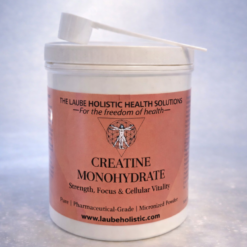
Creatine Monohydrate
€14.00
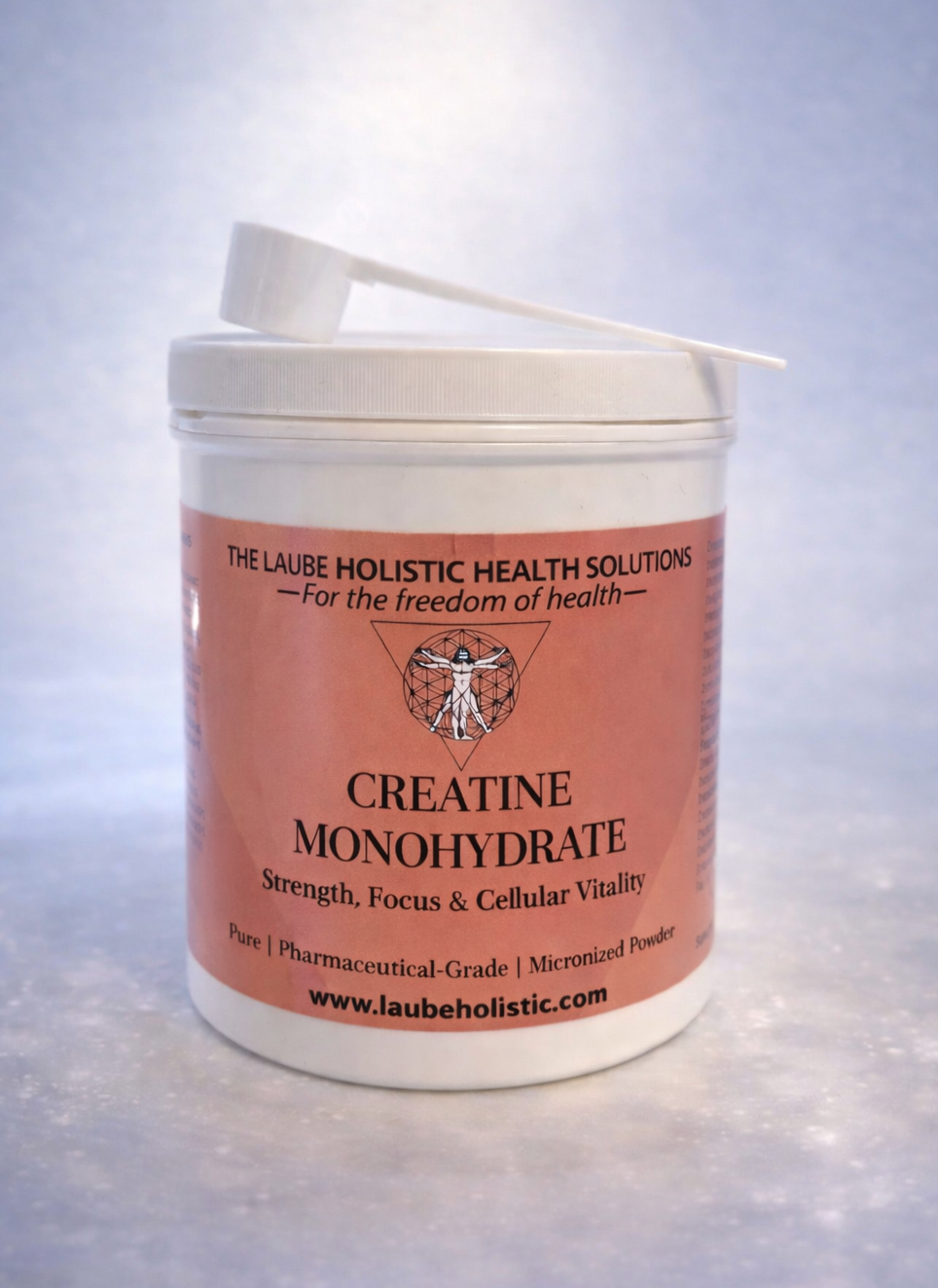
- Pure Creatine Monohydrate Powder
- 100% Unflavored • No Fillers • No Additives
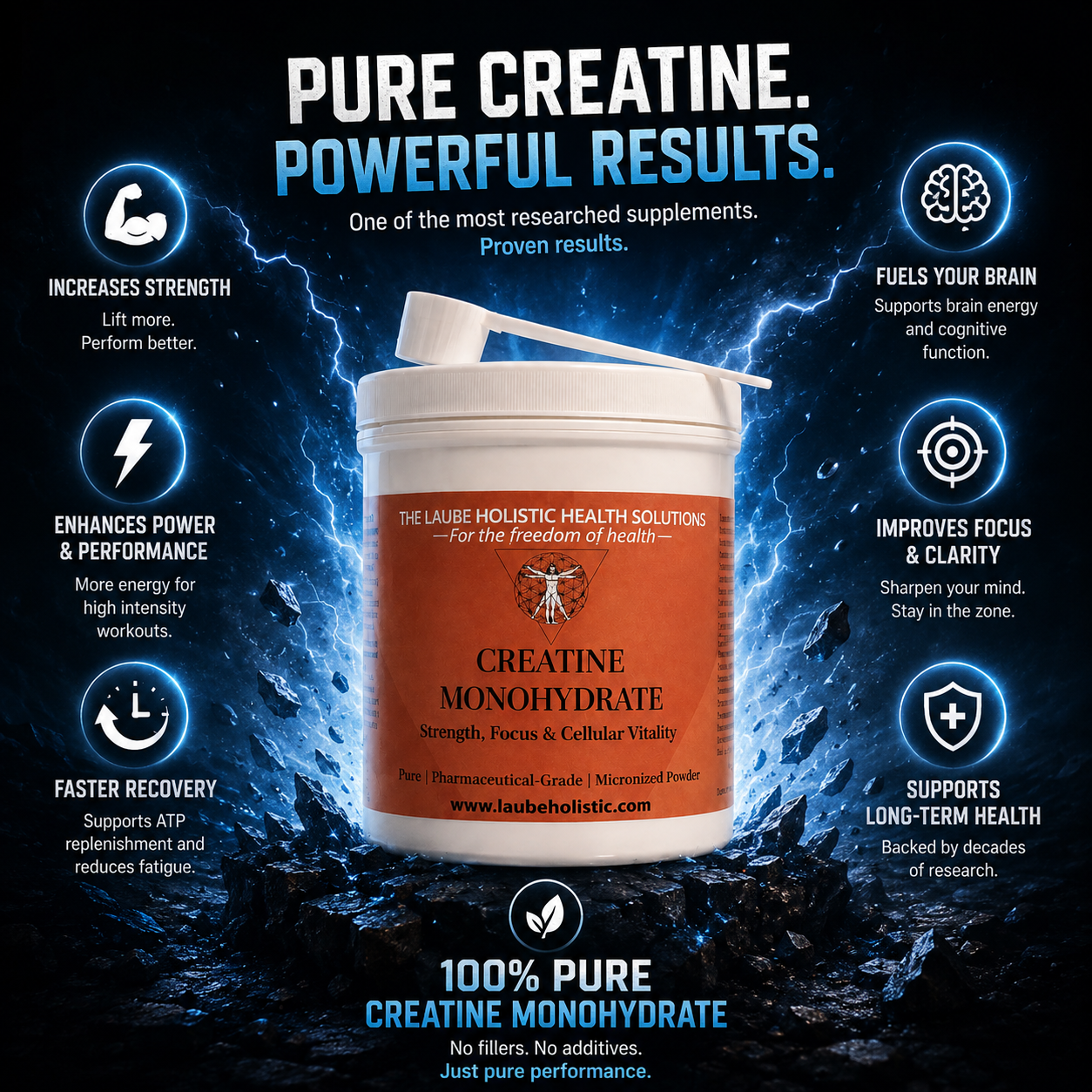
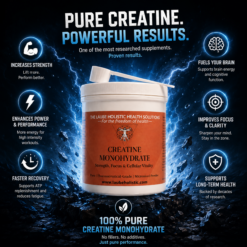
- Supports Strength, Power & Athletic Performance
- Helps Increase Lean Muscle Mass
- Enhances Cellular Energy Production (ATP)
- Supports Cognitive Performance & Mental Clarity
- May Help Improve Memory & Focus
- Ideal for Athletes, Professionals & ACTIVE INDIVIDUALS
- Mixes Easily into Water, Juice or Shakes
- Manufactured to High Quality Standards
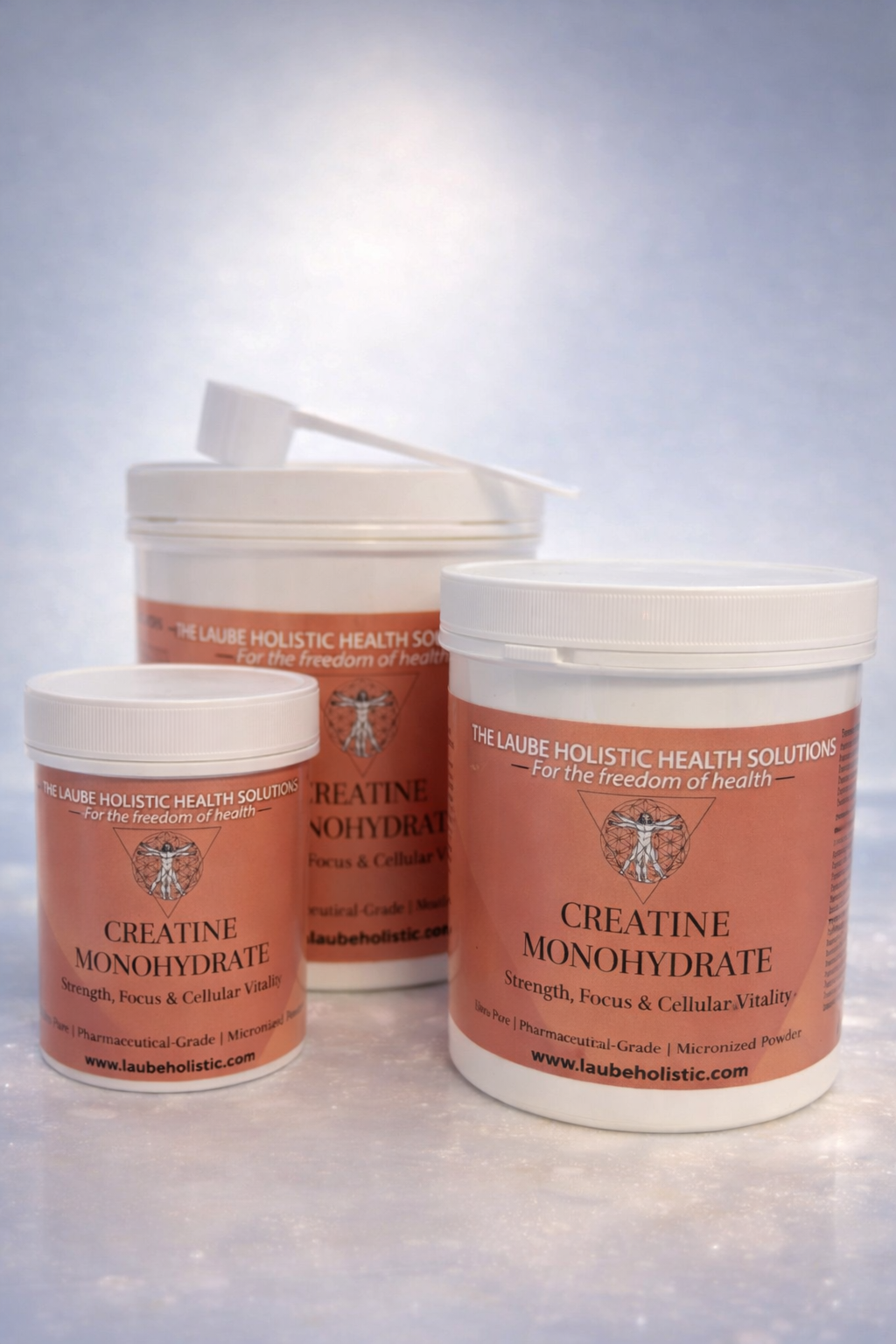
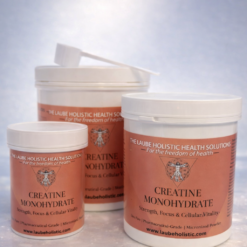
- Available in 100g, 250g and 500g Pots
- Suitable for Daily Use
- Vegan-Friendly
Creatine Monohydrate: Much More Than a Muscle Supplement
-Fuel your muscles and your mind with one of the most researched performance nutrients ever discovered.-
For years, creatine was viewed as a supplement for bodybuilders and athletes. The latest research paints a much bigger picture.
Creatine is essentially a cellular energy amplifier. Every cell in your body uses ATP (adenosine triphosphate) as its energy currency. Creatine helps recycle ATP faster, allowing tissues with high energy demands—especially muscles and the brain—to function more efficiently.
Physical Benefits
Strength & Power
- Increased maximal strength
- Improved explosive power
- Better sprint performance
- Enhanced training capacity
- More total work performed in the gym
Muscle Growth
- Increased muscle cell hydration
- Enhanced recovery between workouts
- Greater lean muscle gains over time
- Improved training adaptation
(Just to let all the women know who might be scared of taking Creatine and growing big… these benfits ocuree when you are working out, not if you are not working out 😉
Recovery
- Reduced fatigue
- Faster ATP regeneration
- Better recovery from intense exercise
- Potential reduction in exercise-induced muscle damage
Brain & Cognitive Benefits ( THIS is interesting now !)
This is where the research has become particularly interesting.
The brain consumes roughly 20% of the body’s energy despite representing only about 2% of body weight. When brain energy availability drops, cognitive performance often declines.
Creatine appears capable of increasing brain creatine stores and improving brain energy metabolism.
Potential benefits include:
Memory
Recent meta-analyses found significant improvements in memory performance among adults supplementing with creatine.
Faster Information Processing
Studies show improvements in processing speed and reaction times.
Attention & Focus
Several trials reported better attention and reduced mental fatigue.
Sleep-Deprivation Resilience
One of the most exciting findings is that creatine appears particularly effective when the brain is under stress.
Researchers found that high-dose creatine improved cognitive performance, processing speed, and brain energy markers during sleep deprivation.
Aging Brain Support
Most studies in older adults show positive effects on memory and attention, suggesting creatine may help maintain cognitive performance as people age.
Neuroprotective Potential
Researchers are now investigating creatine in relation to:
- Healthy aging
- Mild cognitive decline
- Traumatic brain injury
- Concussions
- Depresión
- Ansiedad
- Neurodegenerative diseases
The theory is straightforward: healthier cellular energy production may help neurons better withstand metabolic stress.
The New Research: Higher Doses for the Brain
This is where things become especially relevant.
Traditional sports dosing:
- 3–5 g daily
Brain-focused research suggests that this may not always be enough.
Several recent reviews suggest that:
- Brain tissue absorbs creatine much more slowly than muscle.
- Higher doses may be required to significantly increase brain creatine levels.
- Doses of 20 g/day or approximately 0.3 g/kg/day have been used to increase brain creatine concentrations.
For someone weighing 84 kg (your approximate weight), that would be:
0.3×84=25.2 g/day0.3 \times 84 = 25.2\,\text{g/day}0.3×84=25.2g/day
This aligns closely with the higher-dose protocols being explored in cognitive and neurological research.
Most Interesting Recent Findings
2024 Meta-Analysis
Researchers concluded that creatine supplementation improved:
- Memory
- Attention
- Processing speed
The strongest evidence was for memory enhancement.
2024 Sleep-Deprivation Study
A single large dose improved:
- Cognitive performance
- Processing speed
- Brain energy metabolism
- Resistance to mental fatigue
Researchers observed favorable changes in brain ATP and phosphocreatine metabolism.
2025 Psychiatric Research
Growing evidence suggests creatine may act as an adjunctive strategy for:
- Depresión
- Mood disorders
- Mental fatigue
The proposed mechanism is improved brain bioenergetics.
2026 Brain Health Review
Researchers concluded that creatine likely supports brain energetics, particularly under metabolically demanding conditions such as:
- Sleep deprivation
- Hypoxia
- Neurological disease
- Cognitive stress
However, they also noted that optimal brain-focused dosing remains under investigation.
A Balanced View
The evidence is promising, but it is important not to overstate it.
What is strongly supported:
- Improved muscular performance
- Improved strength and power
- Increased muscle mass
- Better memory and processing speed in many studies
- Benefits during sleep deprivation and metabolic stress
What remains under investigation:
- Whether healthy young adults gain substantial cognitive benefits when already well-rested
- The optimal brain-health dosage
- Long-term neuroprotective effects
- Prevention of Alzheimer’s or dementia
The direction of the evidence is positive, but the strongest brain effects appear to occur when the brain is under stress, aging, fatigue, or increased metabolic demand.
Practical Takeaway
If someone asked for a supplement with:
- Decades of safety data
- Strong performance benefits
- Potential anti-aging applications
- Emerging cognitive-enhancement research
- Evidence for improved memory and mental resilience
Creatine monohydrate would be near the top of the list.
It is one of the few supplements that is simultaneously being studied by sports scientists, neuroscientists, psychiatrists, gerontologists, and longevity researchers
| Peso | N/D |
|---|---|
| Tamaño | 100g, 250g, 500g |
| Number of Pots | 1x, 3x (€12.67 each), 5x (€11.80 each), 3x (€27.00 each), 5x (€25.60 each), 3 x (€45.00 each), 5x (€42.60 each) |
Solo los usuarios registrados que hayan comprado este producto pueden hacer una valoración.
Productos relacionados
Suplementos de remedio

Recién llegados
Suplementos de remedio

Recién llegados
Recién llegados
Suplementos de remedio
Valoraciones
No hay valoraciones aún.